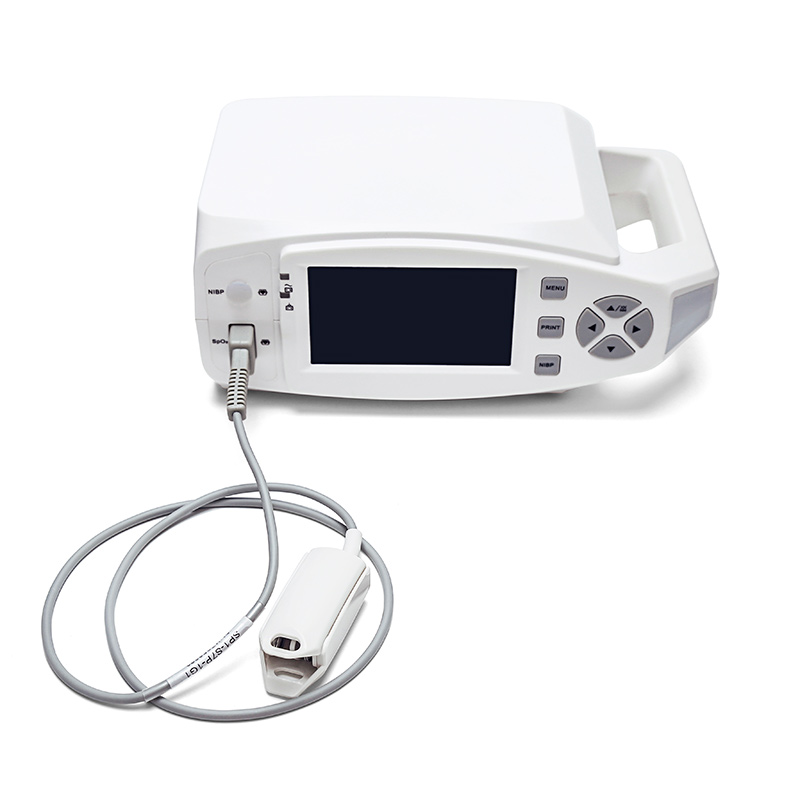
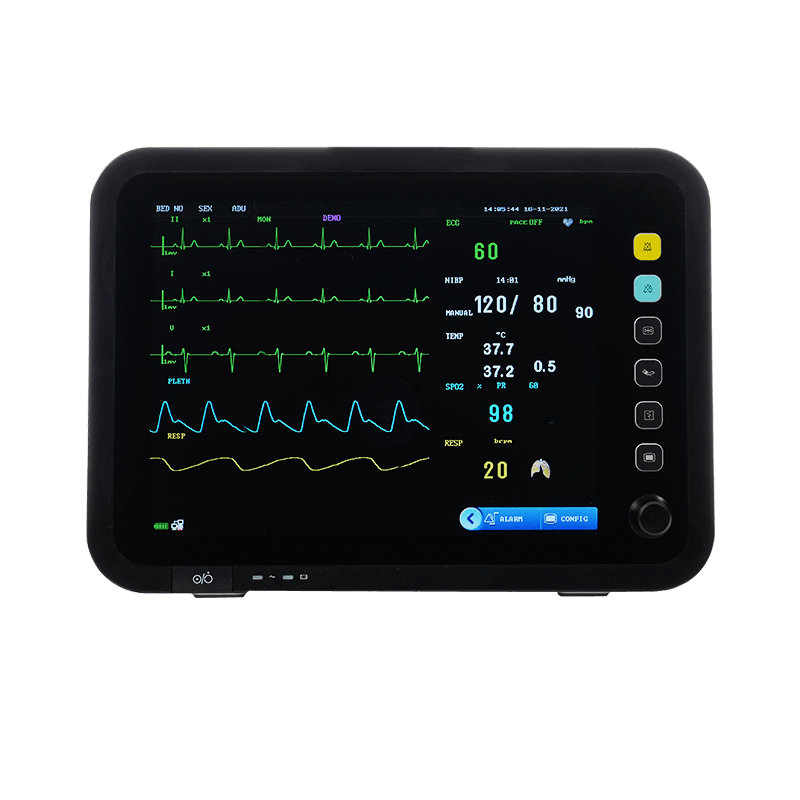
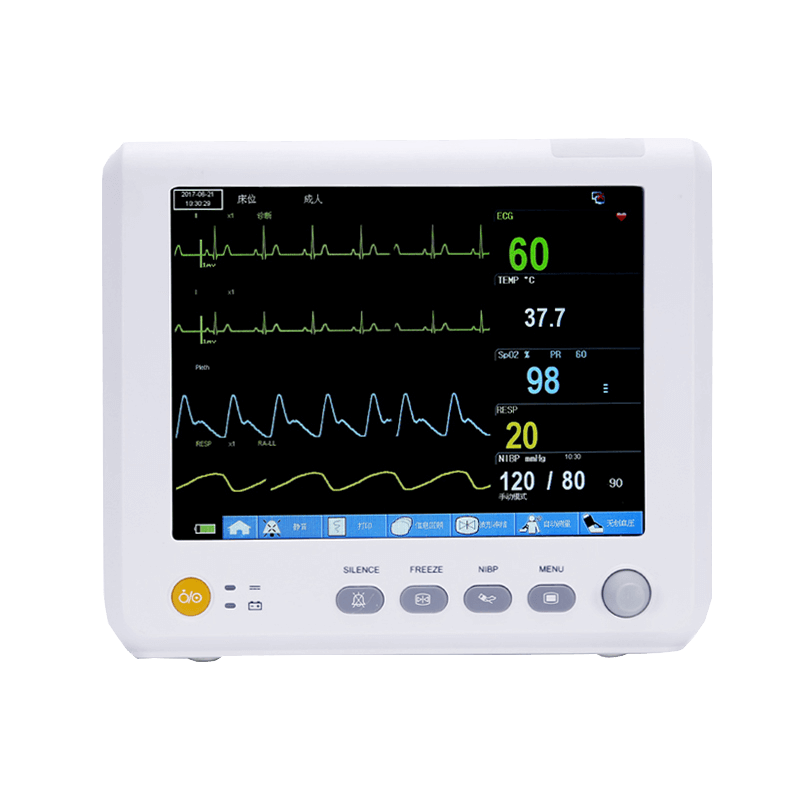
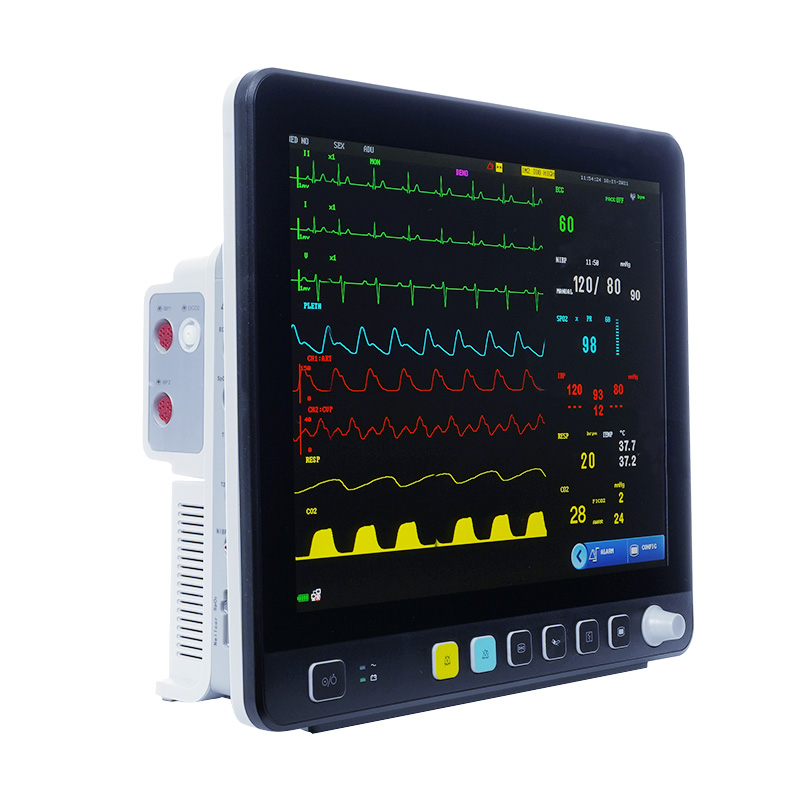
With the reliable performance and clear physiological data of YK-8000C at your side, anesthesiologists can rapidly assess patient status, anticipate risks, and make timely perioperative decisions from induction to recovery.
● Powerful ECG Monitor for Perioperative Safety
Delivers accurate pulse pace identification and automatic ECG measurement and analysis with intelligent removal of poor-quality waveforms. Simplified patient information input, report preview, and printing support precise cardiac monitoring throughout anesthesia induction, maintenance, and recovery.
● Intuitive Operation for Anesthesia Teams
Features a clear, user-friendly interface with a 5-inch touchscreen and USB multifunctional support, allowing anesthesiologists and PACU staff to operate efficiently even in high-pressure clinical environments.
● High-Precision Signal Processing
Incorporates high-accuracy digital filters, automatic baseline adjustment, and thermal printing technology to ensure clear ECG waveform tracing and reliable data interpretation during perioperative monitoring.
● Flexible Connectivity for OR & PACU Use
Supports USB and UART data storage, multiple language options, and wide voltage compatibility (110–230V). The built-in rechargeable battery ensures uninterrupted monitoring, supporting flexible placement and continuous use across anesthesia rooms and recovery areas.

● Connecting community healthcare, home health monitoring, and ambulances to build an interconnected medical service system.
● It achieves cross-scenario collaboration: home health monitoring and ambulance integration.
● It covers daily health management, routine care, and emergency support, meeting diverse healthcare needs.
● Multiple portable monitors are wirelessly connected to a central dual-screen display, enabling unified monitoring of the vital signs of multiple patients.
● This system achieves centralized management combined with mobile access, improving the efficiency of monitoring multiple patients across different regions.
● This system can synchronize data to computers, tablets, and mobile phones, allowing medical staff to access real-time monitoring information via mobile devices.

Technical Specification