
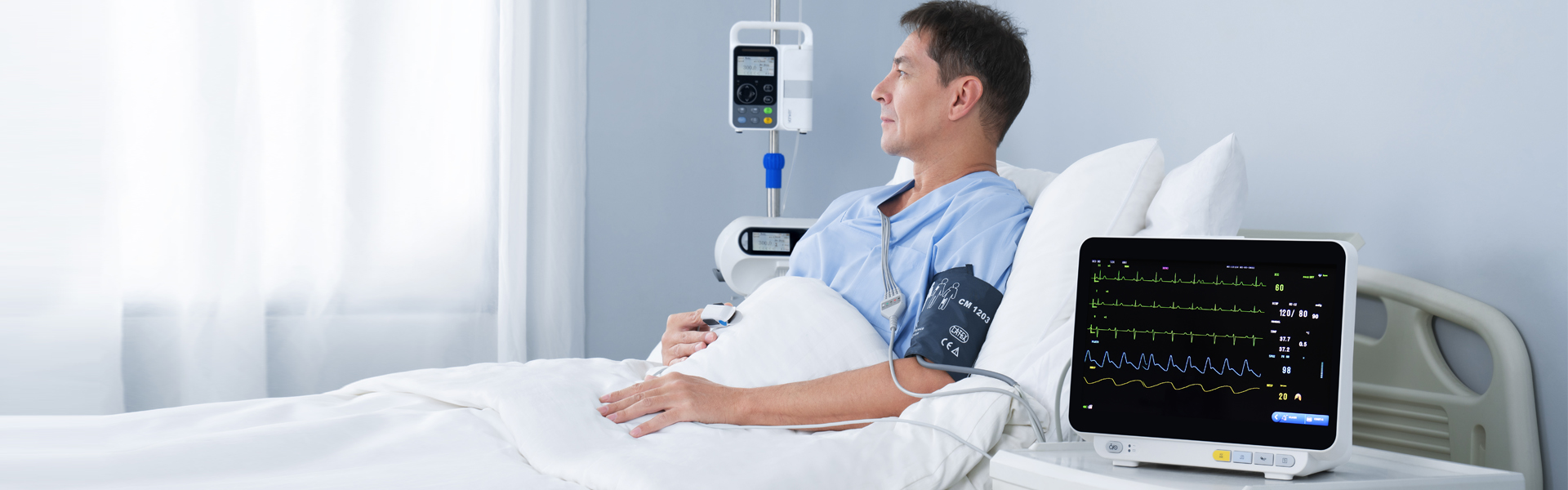

The global aging population has placed increasing demands on healthcare systems worldwide. Elderly patients often present with complex medical conditions, multiple comorbidities, and reduced physiological reserves. In this context, patient monitoring has become a fundamental component of safe and effective hospital care.
Unique Challenges in Elderly Patient Care
Elderly patients are more vulnerable to sudden changes in health status. Conditions such as cardiac arrhythmia, respiratory insufficiency, and blood pressure instability are more common with age and may progress rapidly if not detected early.
Traditional spot-check monitoring methods are often insufficient to capture these changes. Continuous patient monitoring provides healthcare professionals with real-time insights, allowing early recognition of potential risks and timely intervention.
The Importance of Vital Sign Trends
Single vital sign readings offer limited information. What truly matters in clinical care is how those values change over time. Patient monitors record and display trends, helping clinicians identify gradual deterioration or improvement.
For example, a slowly declining oxygen saturation level may indicate respiratory complications, while irregular heart rate patterns could signal cardiac issues. Recognizing these trends early allows for proactive treatment rather than reactive emergency care.
Improving Efficiency and Accuracy
Manual measurements are time-consuming and prone to human error, particularly in busy wards. Automated patient monitoring improves accuracy and consistency while reducing the workload for nursing staff.
By relying on continuous monitoring systems, healthcare professionals can prioritize patient interaction, medication management, and personalized care. This not only improves clinical efficiency but also enhances the quality of the patient–caregiver relationship.
Psychological Benefits for Patients and Families
Hospitalization can be stressful, especially for elderly patients who may feel anxious in unfamiliar environments. Continuous patient monitoring provides reassurance by ensuring constant observation without intrusive procedures.
Families also benefit from the transparency of monitoring systems. Visible vital sign displays help families understand the patient’s condition and feel more confident in the care provided by the hospital.
Integration into Modern Hospital Systems
Modern patient monitors are increasingly integrated with hospital information systems, enabling data sharing, documentation, and remote observation. This connectivity supports coordinated care across departments and improves clinical communication.
In long-term care wards and general hospitals alike, patient monitoring plays a key role in standardizing care quality and supporting medical teams in delivering consistent, high-level services.
Yonker’s Commitment to Reliable Monitoring Solutions
Yonker develops patient monitoring solutions that meet the practical needs of hospitals and care facilities. Designed for reliability, ease of use, and clear data presentation, Yonker monitors support continuous observation and informed clinical decision-making.
As the demand for elderly care continues to grow, dependable patient monitoring will remain a cornerstone of modern healthcare, helping hospitals deliver safer, more efficient, and more compassionate care.
Post time: Jan-27-2026